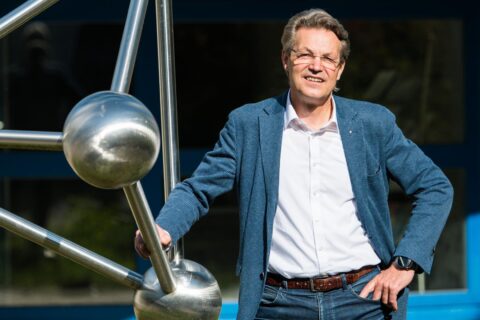


Known as a green joining technology for non-ferrous metals such as aluminium, friction stir welding (FSW) has established itself in a number of industries. In future, manufacturing companies using HELLER machines will no longer need any additional hardware for this technology. Instead, they will be able to perform this process in a single setup on all their innovative 4-axis or 5-axis machining centres. Friction stir welding is a good choice when it comes to producing high-quality cavity-free and tight welded joints with excellent fatigue properties. Accordingly, this process is often applied in the manufacture of reservoirs, tanks and containers as well as in shipbuilding and aerospace engineering. In addition, this joining technology is increasingly establishing itself in the electrical industry and in automotive engineering with the growth market of e-mobility – for example, for the welding of battery housings. According to HELLER Managing Director Dieter Drechsler, it provides several advantages for all areas of application. Firstly, the quality produced is very high. Due to the comparatively low heat input, a very fine-grained structure without cracks or pores is created in the material. Distortion in the component is minimal. As a result, the welded seam meets the highest standards in terms of tightness and crash behaviour. Secondly, it offers many key advantages with regard to environmental and health aspects, which is why friction stir welding is also referred to as a green technology. The reasons for this are: compared to conventional welding methods, no dangerous light flashes or hazardous fumes that would have to be extracted are produced during the joining process. Moreover, the environmental balance of the process is very favourable because of the low energy consumption. Thirdly, the high cost-effectiveness is a real profit driver. As no consumables such as cored wire or shielding gas are required, consumption costs are minimal.